
What Is the Best Skin Care for Older Adults?
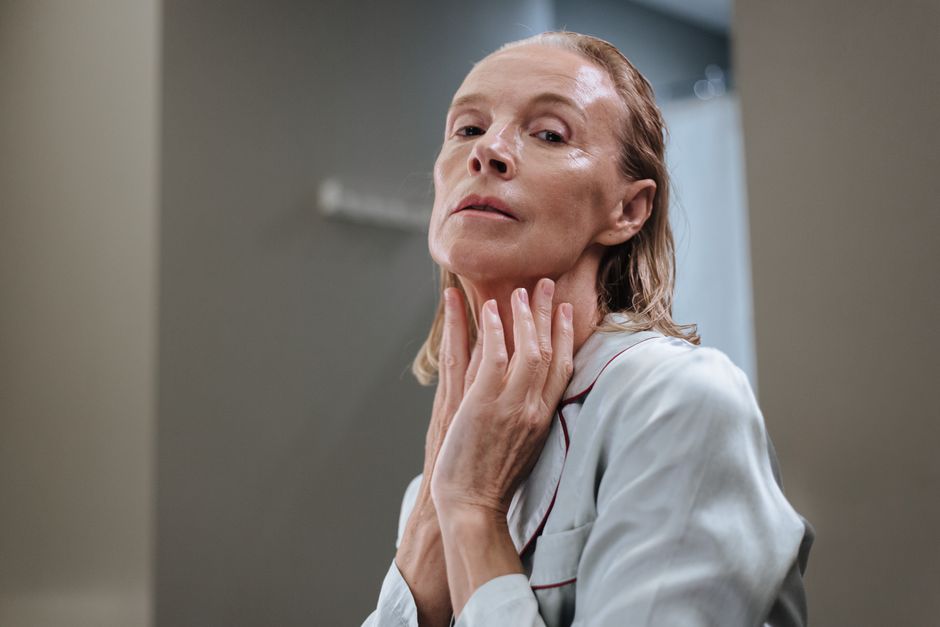
The best skin care for older adults starts with gentle washing and regular moisturizing, since aging skin often becomes thinner, drier, and easier to bruise. Dry patches often improve with simple care, but itch without a rash, widespread or persistent itching, sleep disruption, unexplained bruises, changing spots, or sores that do not heal call for medical advice. Review medicines with a clinician; do not stop prescribed treatment on your own.
Why is my older parent itchy all over when there is no rash?
Whole-body itch without a visible rash can come from dry skin, medicines, or a health condition, so it deserves more attention than a familiar dry patch. Aging skin produces less natural oil and may lose moisture more easily. The National Institute on Aging describes dry, rough, itchy patches as common on the lower legs, elbows, and lower arms, but generalized itch is not automatically ordinary dryness.
Look for a visible pattern. Dry skin often appears flaky, scaly, or cracked and feels rough or tight, particularly after bathing, according to MedlinePlus. Itch across the body with no clear rash has a wider set of possible causes, including kidney or liver disease, iron-deficiency anemia, allergies, and medicine reactions, as described by MedlinePlus Medical Encyclopedia.
Start with low-risk comfort steps while arranging care if the symptom is unexplained: use short, warm rather than hot baths or showers, mild soap, and moisturizer after bathing while the skin is damp. Avoid fragranced or dyed products and note whether detergents, soaps, or skin products changed. The National Institute on Aging also recommends a humidifier and cautions that hot baths, excessive soap, antiperspirant, and perfume can worsen dryness.
For a caregiver, a brief symptom record makes the next conversation more useful. Note when the itch began, where it occurs, how long it lasts, whether it disrupts sleep, what the skin looks like, and what seems to trigger or relieve it. Include recent changes to prescription medicines, over-the-counter drugs, supplements, detergents, and skin products. NICE recommends this kind of history and notes that an itch diary can help track symptoms.
Older skin can bruise more easily, too. According to the National Institute on Aging, thinning skin and more fragile blood vessels contribute to easy bruising and slower healing. A bruise can fit that pattern, but unexplained bruises—especially on parts usually covered by clothing—should be raised with a doctor.
When should persistent itching in an older adult be checked by a doctor?
Arrange medical advice for itch without a visible rash, itch that affects the whole body, severe or recurring itch without a clear cause, or symptoms that disturb sleep, cause open sores, or fail to improve with self-care. MedlinePlus specifically advises contacting a health care provider for itch without a visible rash. Chronic itch is defined as itching lasting six weeks or longer in the American Family Physician review, but that threshold is not a reason to wait when symptoms are severe or unexplained.
Skin changes need their own check. The National Institute on Aging advises watching for new growths, sores that do not heal, bleeding moles, and spots that evolve. Its ABCDE signs of melanoma are asymmetry, irregular borders, color changes, a diameter larger than a pencil eraser, and evolution over time. A changing spot is different from ordinary dry skin; record what changed and when.
A clinician’s assessment can begin with the details in the symptom diary: location, onset, timing, severity, duration, associated symptoms, existing conditions, and all medicines, including nonprescription and herbal products. NICE also notes that clinicians may ask about fatigue, fever, night sweats, or weight loss and examine the skin and other signs of underlying disease. Mention these symptoms if present.
Testing depends on the history and examination. The American Family Physician review lists possible tests such as a blood count, kidney and liver function, iron studies, glucose or A1C, and thyroid-stimulating hormone. NICE also describes clinician-directed blood tests for widespread itch without an active skin disease, with further tests guided by individual history and risk factors. These are clinical decisions, not a checklist for self-diagnosis.
Can medicines or health conditions cause itching in seniors?
Yes. Medicines and health conditions can cause itch with or without a rash, so a medication review belongs in the evaluation. The American Family Physician review names kidney or liver disease, thyroid disease, and diabetes among possible systemic causes, and MedlinePlus also lists iron-deficiency anemia, allergies, and reactions to medicines.
Bring a complete list of prescribed medicines, over-the-counter products, supplements, and herbal remedies to the appointment. Add recent starts, stops, or dose changes, but do not stop a prescribed medicine without advice from the prescriber. A clinician can weigh the timing against the symptom pattern and decide whether a medicine, an exposure, or an underlying condition needs attention.
Use comfort care as a bridge, not as a substitute for assessment when warning signs are present. The sources support moisturizer, limited water exposure, lukewarm bathing, cool compresses, avoiding scratching, and loose, light clothing. If products sting or the skin worsens, record that response and tell the clinician rather than layering on new treatments.
For broader daily care, the Skin Care Older Adults: A Simple Routine for Fragile Skin guide covers a basic routine. The useful distinction is simple: predictable dry patches can be managed gently, while unexplained, widespread, persistent symptoms or changing skin need a clinical explanation.
Frequently Asked Questions
How can a caregiver tell ordinary dry skin from a problem that needs medical attention?
Dry skin often looks flaky, scaly, or cracked and feels rough or tight, especially after bathing. Itch without a visible rash, sleep disruption, open sores, or symptoms that persist despite self-care warrant a call to a health care provider.
Why does itching get worse at night in older adults?
NICE notes that itch can feel stronger in the evening or at night when daily activities no longer distract from it. Night-time itching alone does not identify a cause; widespread or persistent itch and other symptoms should be discussed with a clinician.
Are purple bruises on an older person's hands and arms part of fragile skin, or should they be checked?
Fragile blood vessels and thinner skin make bruising easier with age, especially on exposed areas. Unexplained bruises, particularly on areas usually covered by clothing, should be discussed with a doctor because medicines and illnesses can also cause bruising.
Sources
Keep reading
What Skin Care Older Adults Need to Prevent Tears and Bruises?
Protect fragile skin with daily moisturizer, gentle washing, sun protection, and clothing or padding; seek care for unexplained bruises or wound warning signs.
Skin Care Older Adults: A Simple Routine for Fragile Skin
Skin care older adults can keep simple: use gentle cleansing, choose moisturizer by dryness, and apply it promptly after bathing.

Can You Lift Sagging Breasts or Reposition Nipples Without Surgery?
A clear guide to what exercise, bras, devices, implants, and mastopexy can and cannot do for sagging breasts and nipple position.

Can Rosemary Oil Help Hair Growth?
An evidence-led guide to rosemary oil for hair growth, scalp-safe dilution, realistic timelines, and when medical treatment is the better path.