
Skin Care Older Adults: A Simple Routine for Fragile Skin
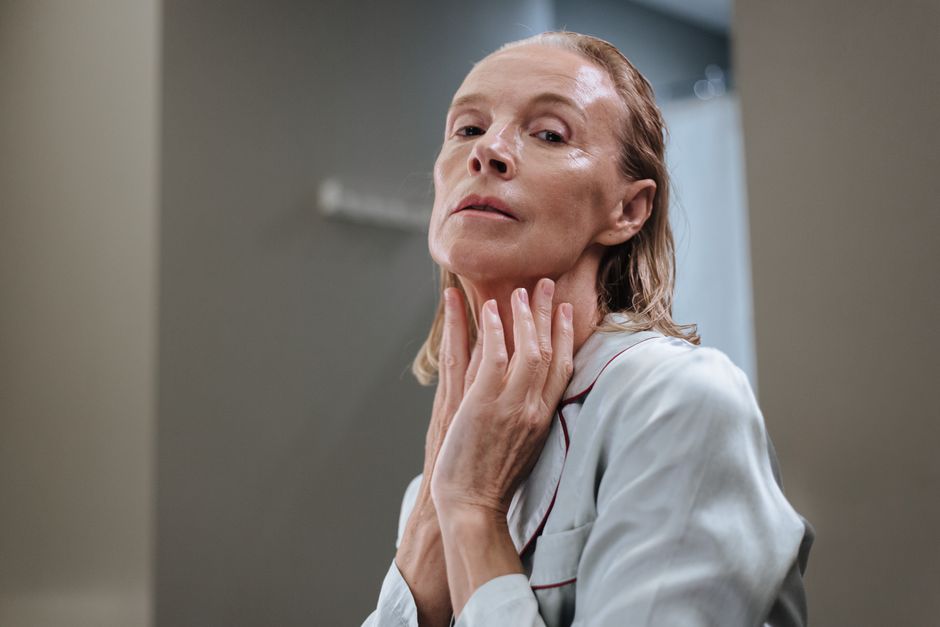
For skin care older adults with dry, sensitive, or fragile skin, use a gentle fragrance-free cleanser, warm—not hot—water, and a moisturizer suited to dryness: lotion for lighter needs, cream for more hydration, or ointment for very dry areas. Apply moisturizer promptly after bathing and again as needed. Gentle handling and regular moisturizing can also help reduce skin-tear risk.
What is the best skin care for older adults?
The best skin care for older adults is a short, gentle routine that cleans without stripping skin and replaces moisture consistently. With age, skin can become thinner and less elastic, oil and sweat production may decline, and fragile blood vessels can make bruising easier, according to the National Institute on Aging.
Morning: Use a mild, fragrance-free cleanser where needed, rinse with warm water, and apply moisturizer to dry areas. Keep products simple: the American Academy of Dermatology Association (AAD) identifies glycerin, hyaluronic acid, and lanolin as moisturizing ingredients. For dry or sensitive skin, check labels for fragrance and alcohol, which can be problematic.
Bathing: Keep showers or baths to 5–10 minutes, use warm rather than hot water, and choose a soft cloth instead of a bath brush. Pat skin dry, including between folds, rather than rubbing. Apply a creamy, fragrance-free moisturizer within 3 minutes while skin is still damp, then reapply during the day as needed. The NIA also cautions that excessive soap, antiperspirant, and perfume can worsen dryness.
For caregivers, reduce friction at every step: handle limbs gently, avoid jewelry such as rings or watches during care, keep nails short, and use safe mobility equipment. AAD advises against bath oil because it can increase slipping risk. If indoor air is dry, the AAD reports that 45%–60% humidity can reduce dry, itchy skin.
What is the best skincare brand for older skin?
There is no single best skincare brand for older skin; the better choice is the product whose formula matches the person’s skin and routine. A brand name alone does not establish that a product is appropriate for fragile or sensitive skin. The AAD says moisturizer choice depends on skin type and the severity of dryness.
Compare the label and texture before choosing. Prioritize fragrance-free formulas and look for moisturizing ingredients such as glycerin; avoid products that cause irritation. Low-concentration urea may be an option to consider when comparing products, but the supplied sources do not specify a concentration or establish a brand recommendation. The NIA also notes that many cosmetic anti-aging products are not required to be tested in humans or approved by the FDA before sale, so claims on packaging should not replace a practical check of the ingredients and the person’s response.
Use this comparison as a needs-based starting point. Prices are marked “not published” because the cited sources do not provide current product prices.
| Option | Who it suits | Cost | Key limitation |
|---|---|---|---|
| Gentle fragrance-free cleanser | Older adults needing a mild wash for sensitive or dry skin | not published | Specific brands and prices are not published in the sources |
| Lotion | Lighter moisturizing needs or people who prefer a less thick product | not published | Less hydrating than cream or ointment |
| Cream | Dry skin needing more moisture than a lotion provides | not published | Can feel heavier than lotion |
| Ointment | Very dry skin needing the thickest, most effective moisture barrier | not published | Thick texture may be less convenient for some people |
What are the best skincare products for seniors with dry, itchy skin?
The most useful products are a mild cleanser and a moisturizer thick enough for the level of dryness. For dry, itchy skin, begin with a cream or ointment rather than assuming a light lotion will be enough. According to the AAD’s moisturizer guide, creams contain more oil and preserve more water than lotions, while ointments are thicker and most effective for remedying dry skin.
Match the product to the problem area. A lotion can be easier to spread over larger areas when dryness is mild; a cream offers a step up in hydration; an ointment is the stronger option for very dry patches. If ointment feels too heavy for daytime use, a cream may be a workable routine choice, with ointment reserved for the driest areas. Apply immediately after bathing to help trap water in the skin.
Twice-daily moisturizing also has a skin-integrity benefit. In a cluster randomized trial across 14 Western Australian aged-care facilities, residents received pH-neutral, perfume-free moisturizer on their extremities twice daily. Average monthly skin-tear incidence was 5.76 per 1,000 occupied bed days in intervention facilities versus 10.57 in control facilities; authors reported an almost 50% reduction. The study involved frail older Australians in aged care, so its findings may not generalize to every setting, but it supports regular moisturizing as one prevention measure.
For itch, avoid scratching and rubbing, keep nails short, and use lukewarm water with little soap. MedlinePlus notes that itching can stem from dry or aging skin, irritants, eczema, medication reactions, and other health conditions. Persistent or severe itching deserves medical advice rather than an endless cycle of trying new products.
Should older adults use a cream, lotion, or ointment?
Older adults should choose cream, lotion, or ointment according to how dry the skin is and which texture they can use consistently. Lotion is thinner; cream holds more moisture; ointment is thickest and best suited to very dry skin. There is no universal winner, and comfort matters because the best product is one that will be applied regularly.
For a simple decision: use lotion when dryness is mild and ease of spreading matters; choose cream for everyday dry skin; choose ointment when dryness is pronounced or a stronger moisture barrier is needed. Start with fragrance-free options, apply to damp skin after bathing, and reassess if irritation develops. The AAD recommends applying moisturizer right after showering; for adults in their 60s and 70s, it specifies within 3 minutes.
Skin tears need a handling plan as well as a product plan. North Tees and Hartlepool NHS Foundation Trust explains that vulnerable skin can tear with less force, and needing help with washing, dressing, or moving increases risk. Pair moisturizer with gentle transfers, protective clothing, short nails, and careful bathing. For incontinence exposure, the NIA advises protective ointment and gentle cleaning.
Frequently Asked Questions
How often should seniors moisturize fragile skin?
Apply moisturizer after bathing and again as needed during the day. In a trial across aged-care facilities, twice-daily moisturizing was associated with almost 50% fewer skin tears, though the findings may not apply to every population.
How can caregivers help prevent skin tears during bathing?
Use warm water, mild soap or a moisturizing soap substitute, and a soft cloth; keep bathing brief and pat skin dry rather than rubbing. Remove rings and watches during care, keep nails short, and use safe mobility equipment to reduce friction and accidental knocks.
When should persistent itching or a changing spot be checked by a doctor?
Contact a health care provider for severe or persistent itching, especially when the cause is unclear. Have a new or changing spot assessed, particularly if it changes shape, size, or color, bleeds, becomes painful or inflamed, or continues to itch.
Sources
- National Institute on Aging (NIH)
- American Academy of Dermatology Association: Skin Care in Your 60s and 70s
- American Academy of Dermatology Association: How to Pick the Best Moisturizer for Your Skin
- Carville et al., International Wound Journal (via PubMed Central)
- MedlinePlus: Itching
- MedlinePlus: Skin Cancer
- North Tees and Hartlepool NHS Foundation Trust: Skin Tears
Keep reading
What Skin Care Older Adults Need to Prevent Tears and Bruises?
Protect fragile skin with daily moisturizer, gentle washing, sun protection, and clothing or padding; seek care for unexplained bruises or wound warning signs.
What Is the Best Skin Care for Older Adults?
The best skin care for older adults starts with gentle washing and moisturizing; unexplained itch, bruises, or changing spots need medical advice.

Can You Lift Sagging Breasts or Reposition Nipples Without Surgery?
A clear guide to what exercise, bras, devices, implants, and mastopexy can and cannot do for sagging breasts and nipple position.
Can Rosemary Oil Help Hair Growth?
An evidence-led guide to rosemary oil for hair growth, scalp-safe dilution, realistic timelines, and when medical treatment is the better path.